In her directorial debut and 30th year in film, the Nollywood icon says a moment of moral clarity led her to give everything.
She had struggled with the idea. She had argued against it. Then, by her own account, she stopped fighting. A few days before the Lagos screening of Mother’s Love, Omotola Jalade-Ekeinde says a thought arrived with unusual force: align your debut with your passion. The conclusion she reached would place her film in the rarest company in the history of world cinema.
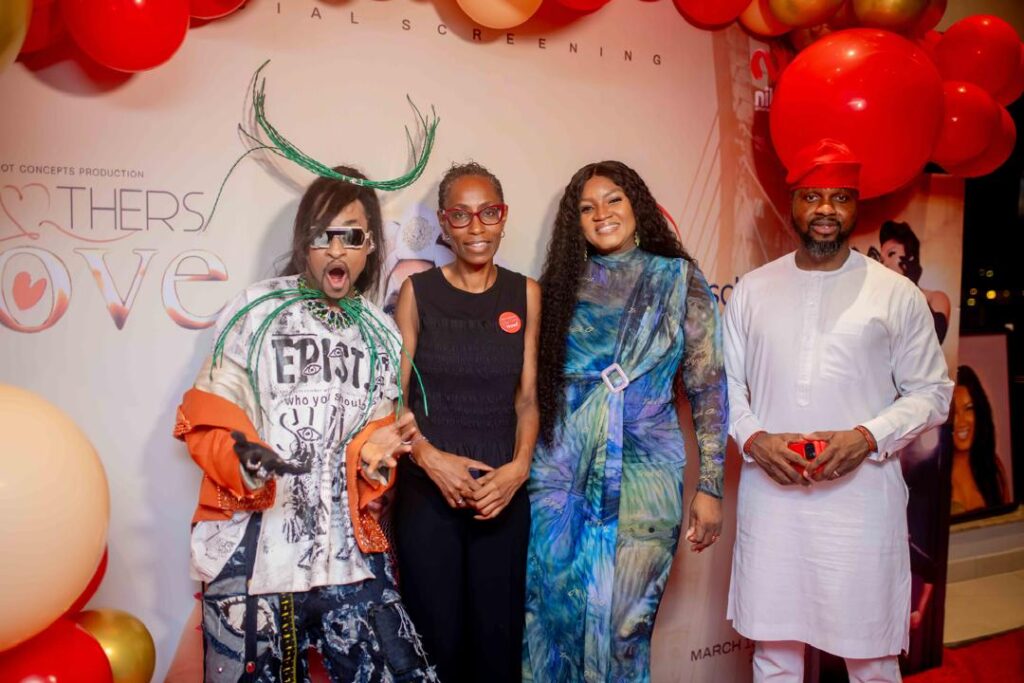
On March 13, 2026, Omotola announced that 100 percent of her production company’s proceeds from the theatrical run of Mother’s Love will be donated to Slum2School Africa, a Nigerian NGO that provides educational access, scholarships, and community development programmes for children in underserved communities. The funds will cover educational costs for children from vulnerable communities and, where resources allow, accommodation for students who need it.
Researchers say only four productions in global cinema history have made a commitment of this kind: not profits, not a parallel campaign, but 100 percent of a production company’s own proceeds transferred directly for the full duration of a theatrical run. No African film has done it before.
A Decision That Did Not Come Easily
Omotola has spent more than three decades in front of the camera and has used much of that time off it in service of causes she believes in. She is a UN World Food Programme Ambassador, an Amnesty International advocate, and has worked with Save the Children UK and One. The through-line of that advocacy has always been the same: children whose potential is limited not by ability, but by circumstance.
When Mother’s Love was completed, her initial ambition was straightforward: to make a film that inspired audiences around the world and built a successful theatrical run. Then something shifted. Speaking at the announcement screening, she described the internal process candidly.
“I struggled with it, argued it. This is a lot. But that moment of clarity challenged me to ask a deeper question: what if the story did more than inspire? What if, all along, it was meant to directly transform lives?”
Omotola Jalade-Ekeinde, Lagos, March 13, 2026
The decision came with the full support of her husband, her management team, the board of RedHot Concepts, her legal advisers, and distribution partners Nile Entertainment, who will transfer all proceeds due to Omotola and her company directly to Slum2School Africa. An independent auditing firm will oversee the aggregation and verification of funds. Slum2School will provide a comprehensive public report on outcomes.
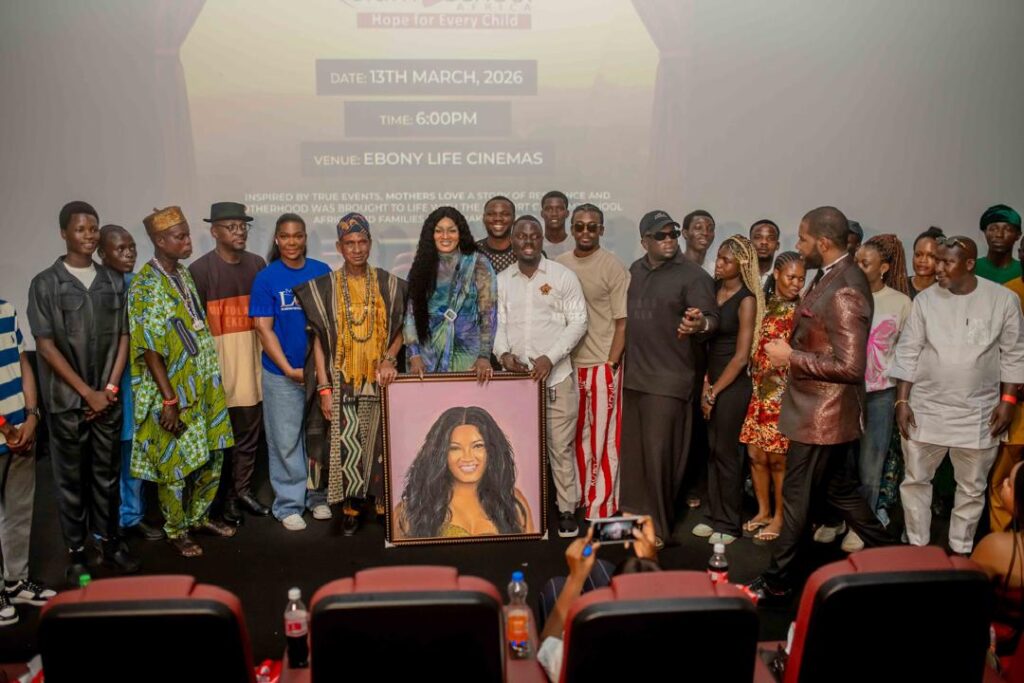
The Community That Came to Watch Its Own Story
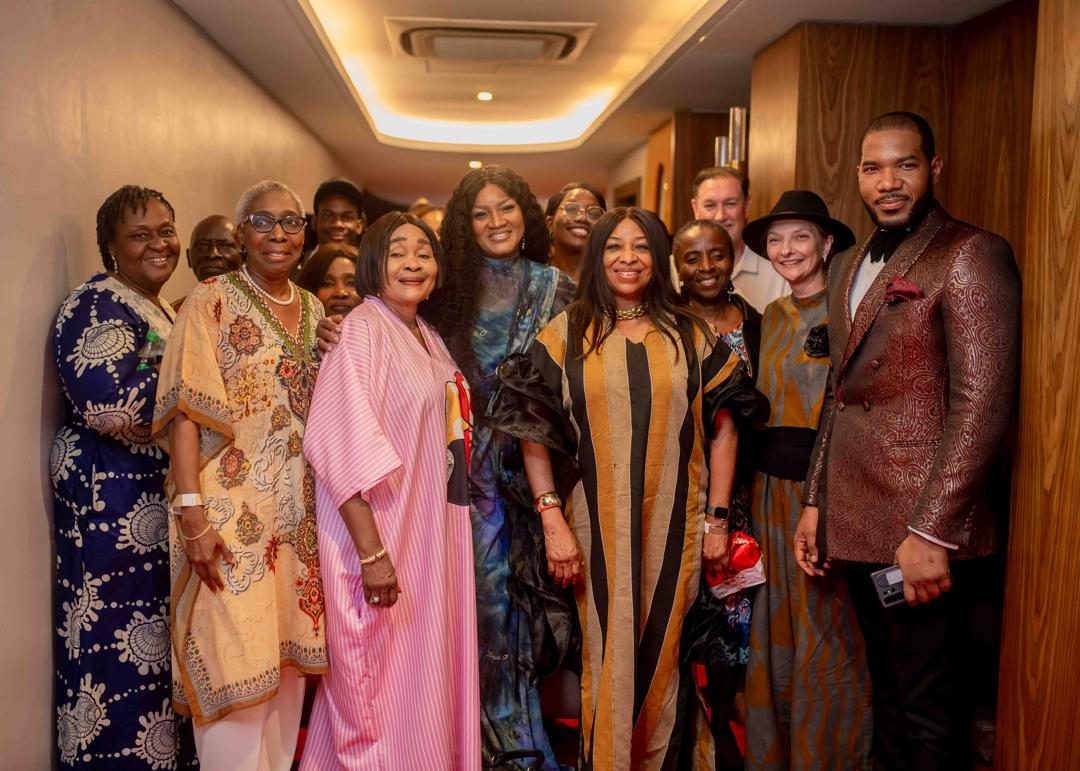
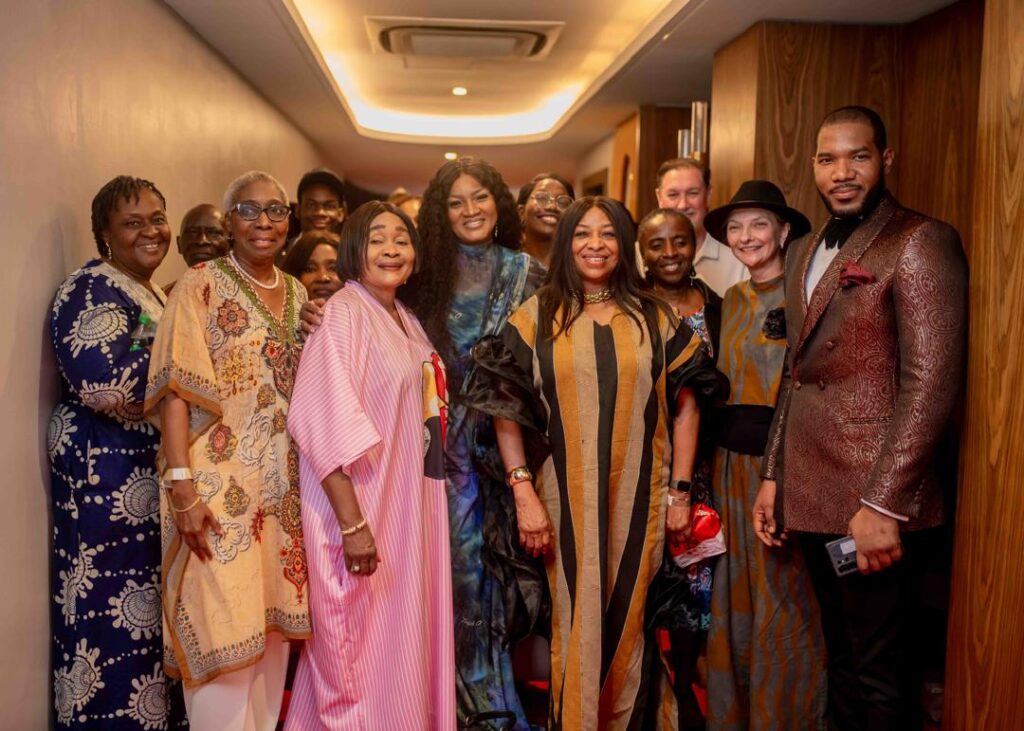
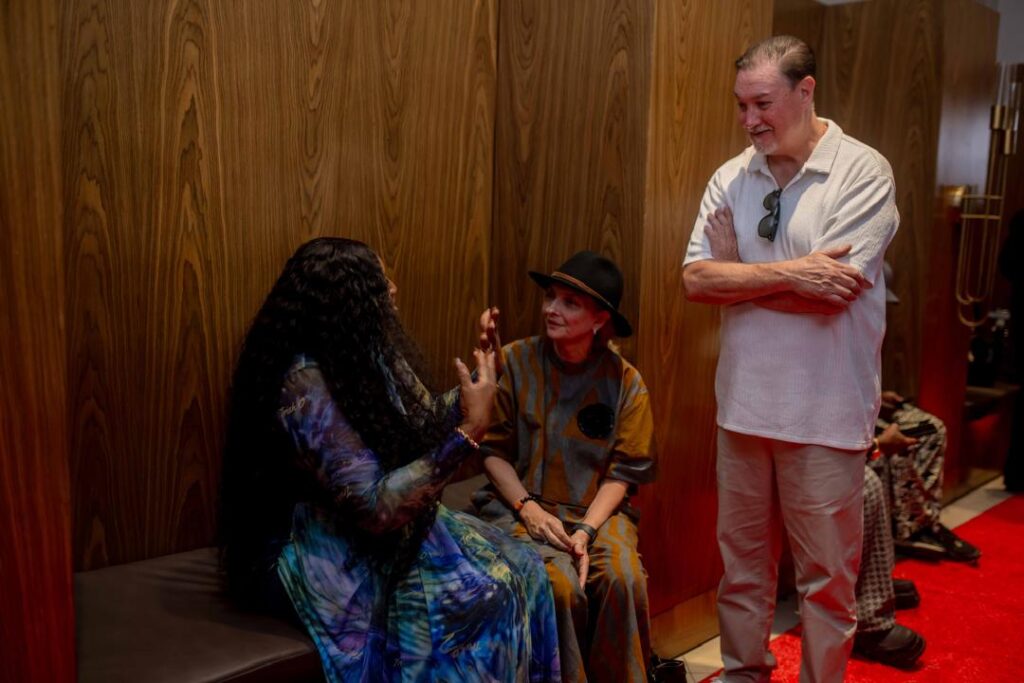
The announcement was made at a private Lagos screening on March 13, organised in 48 hours, that drew more than 200 guests. Among those present were board members of MTN and Nigerian Breweries, representatives of the Dangote Foundation, ActionAid Nigeria, Street Child International, and WIMBIZ, as well as Ambassador Nimi Akinkugbe, former Nigerian Ambassador to Greece.
But the guests who gave the evening its most profound dimension arrived from Makoko. Around 50 residents of the waterside community at the centre of the film came to watch a story built from the texture of their daily lives. They were accompanied by three of their traditional rulers: Baale Alashe Francis Agoyon, Chief Kpanke Victor Usa, and Chief Shemede Emmanuel. The community whose reality the film depicts bore witness to the gift made in its name.
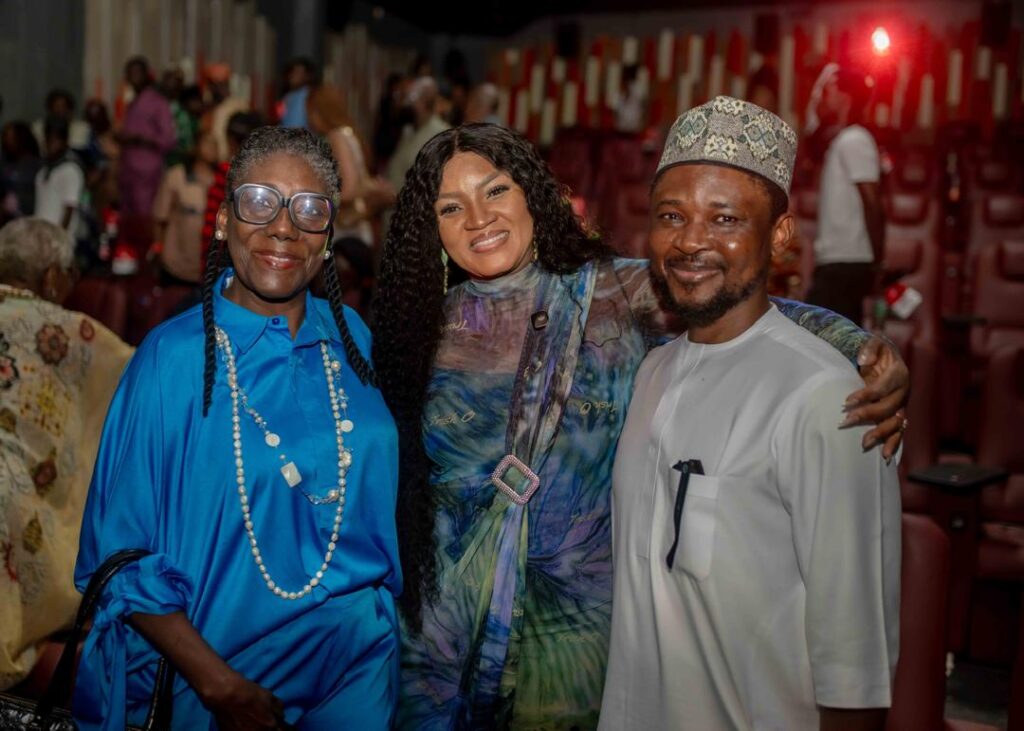
Otto Orondaam, Founder and Executive Director of Slum2School Africa, described the resonance between the film and the children his organisation serves.
“The storyline mirrored what 100 percent of our learners experience: being judged before they are seen. We felt it was important to leverage this platform. There was nothing that was planned. There was nothing expected. There was nothing anticipated.”
Otto Orondaam, Founder and Executive Director, Slum2School Africa
Why This Is Without Precedent
Previous acts of film philanthropy, however significant, were structurally different. Steven Spielberg donated his personal director’s fee from Schindler’s List to the USC Shoah Foundation, a personal rather than company-level commitment. Disney’s Force for Change campaign raised more than $4.26 million for UNICEF as a separate initiative running alongside Star Wars: The Force Awakens. The #BlackPantherChallenge raised over one million dollars for free community screenings through fan mobilisation. All were meaningful. None involved a production company formally resolving to redirect 100 percent of its own proceeds for the full duration of a cinema run.
African cinema has produced its own models of impact. Beat the Drum channelled distribution proceeds toward a children’s village in Kenya. Shout Gladi Gladi partnered with the Freedom From Fistula Foundation to fund surgical programmes. The Boy Who Harnessed the Wind amplified global giving for education and energy access in Malawi. Mother’s Love stands apart from all of them not because those efforts were insufficient, but because the mechanism here is unconditional and total.
Thirty Years in Film, One Directorial Debut
Mother’s Love arrives at an extraordinary moment in Omotola’s career. In her 30th year in the Nigerian film industry, one of the most celebrated actors the continent has produced stepped behind the camera for the first time. The film follows Labake, a mother of fierce and unglamorous devotion, whose belief in her daughter Bisi and in Bisi’s friend Obaro carries him from the Makoko waterfront to international recognition as a tech innovator.
The film was made with the community it depicts. Slum2School Africa provided access, filming locations, and institutional support throughout production. Before its Nigerian theatrical release on March 6, 2026, it had already screened at the Toronto International Film Festival, the Dubai International Film Festival, the Pan African Film Festival, and SVAFF. At its debut festival appearance in June 2025, Omotola received a Certificate of Excellence as Debut Filmmaker.
At the screening, she framed the announcement not as a conclusion but as an invitation, directed at the creative industries she has been part of for three decades.
“Film, art, and culture possess enormous influence. When we align that influence with compassion and responsibility, we can transform platforms into instruments of progress. Tonight, Mother’s Love becomes more than a film. It becomes a bridge between storytelling and social transformation.”
Omotola Jalade-Ekeinde, Lagos, March 13, 2026
Following the conclusion of its Nigerian theatrical run, the film will embark on a global tour timed to coincide with Mother’s Day 2026. Makoko, Omotola said, is one community among many. The spark, she hopes, will travel.